
MST AI Agents

The MST AI Agents bring intelligent document understanding directly into your everyday workflows. MST AI Agents use advanced artificial intelligence to automate time-consuming document tasks and improve decision-making accuracy.
AI-compute

From legal contracts and financial reports, to scanned PDFs and enterprise records, MST AI Agents empower organizations to extract insights, ensure compliance, and manage documents more efficiently—without disrupting existing systems. By embedding AI directly into document workflows, teams can reduce manual effort, improve consistency, and scale operations with confidence.

MST AI Agents support a wide range of document formats, including PDFs, Word files, scanned TIFF images, and other documents stored in enterprise document repositories, making them suitable for use across industries such as legal, finance, healthcare, government, and other enterprise operations.

Key AI Agents

MST AI Agents include a growing library of specialized agents designed to handle specific document intelligence tasks.

Data Extraction and Classification

The Data Extraction and Classification agent identifies, extracts, and categorizes key information from documents automatically. It recognizes both structured and unstructured documents to extract fields such as names, dates, totals, clauses, and identifiers, while also classifying documents by type or purpose.
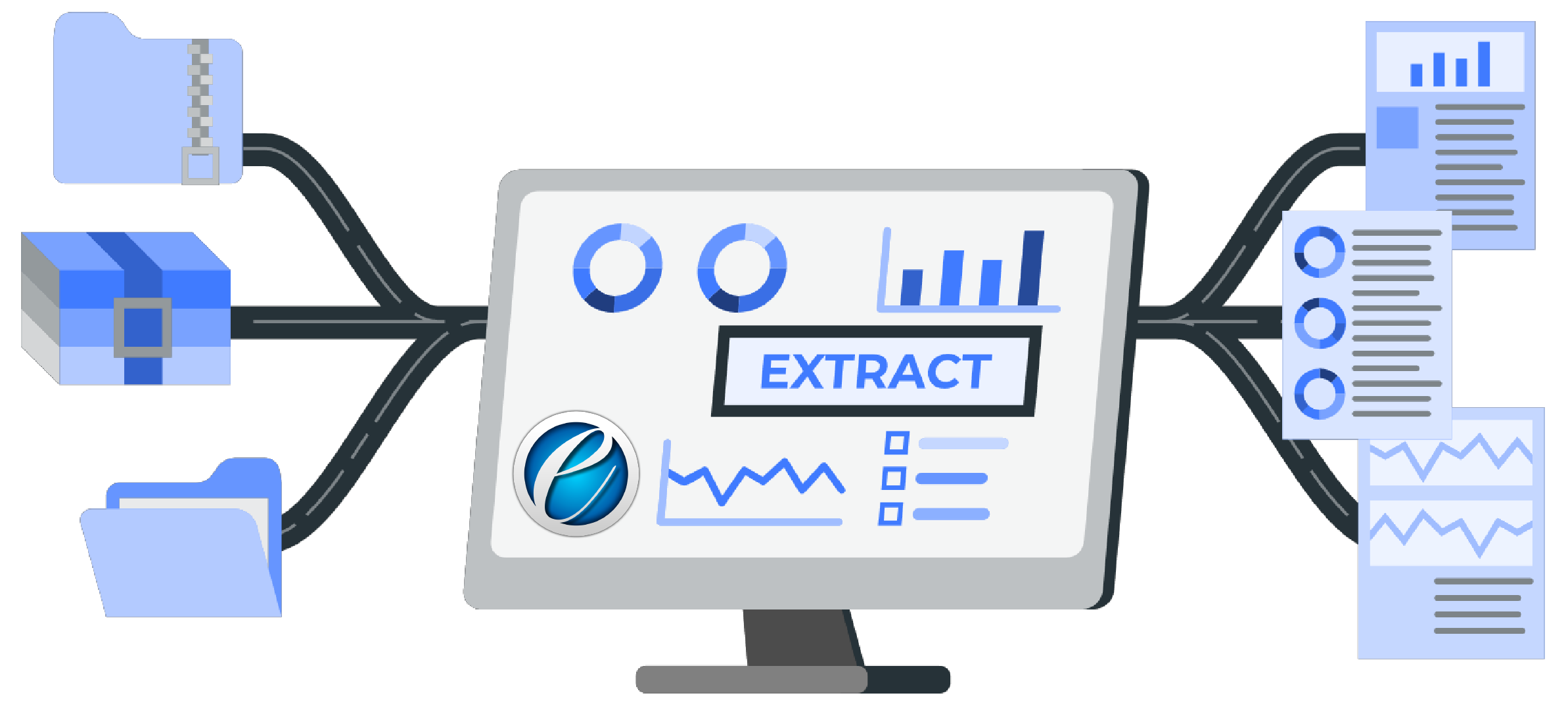

Data extraction eviewer
Improved Document Searchability and Accessibility

Document Summarization

The Document Summarization agent generates concise, accurate summaries of lengthy documents. It understands context, highlights critical points, and filters out unnecessary details, enabling users to quickly grasp the essence of any document. Summarization can be customized based on document type, desired length, or focus areas; making it especially valuable for contracts, research papers, and reports.

This agent also includes Question & Answer (Q&A) support, allowing users to ask natural language questions to quickly locate specific details, clarify sections, and explore document content without manual searching.

Automatic Redaction

The Automatic Redaction agent detects and removes sensitive information from documents, such as personally identifiable information (PII), financial data, or confidential terms.

This agent helps organizations meet regulatory and privacy requirements by ensuring sensitive data is consistently and securely redacted before documents are shared or published.
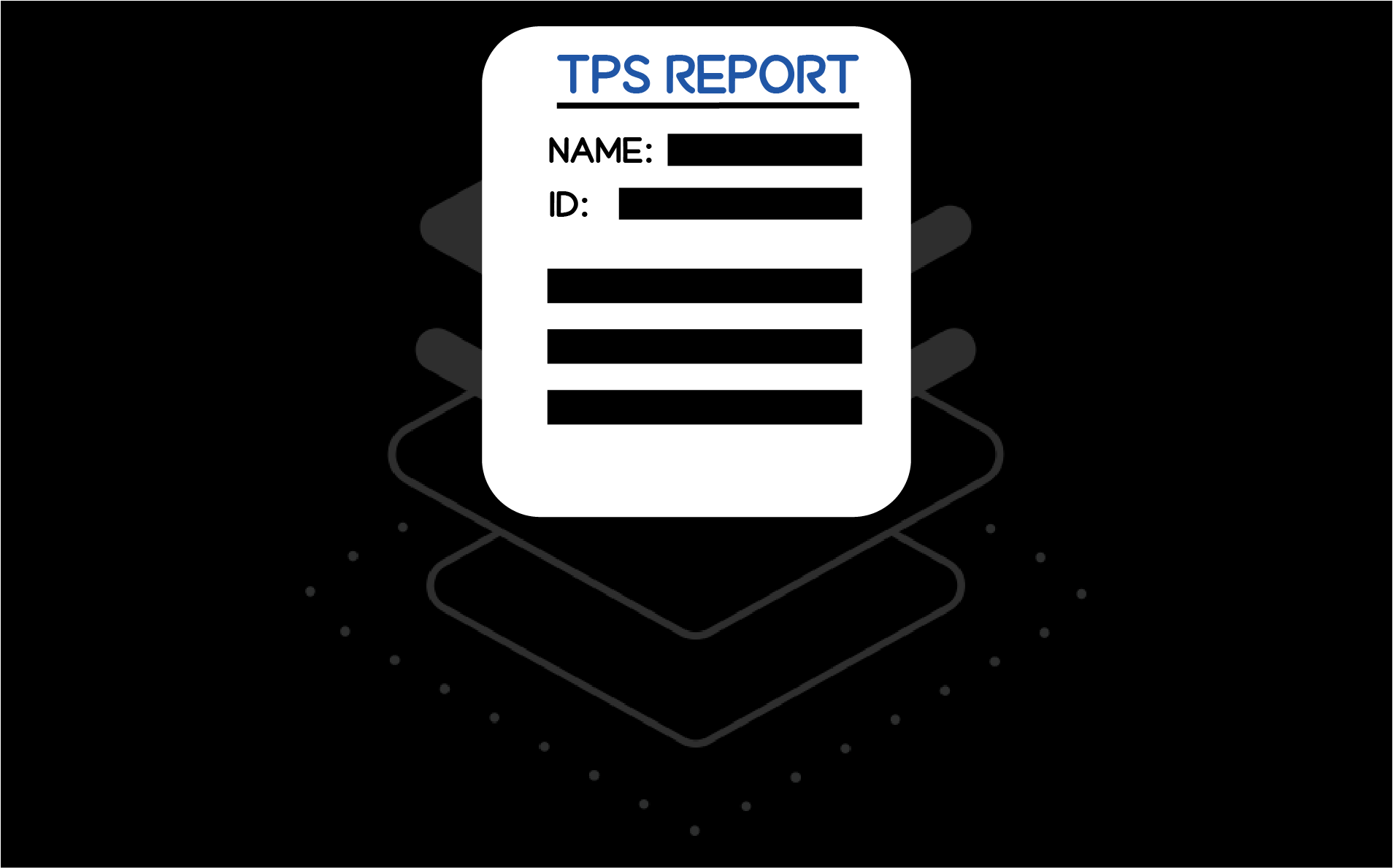
redacted banner
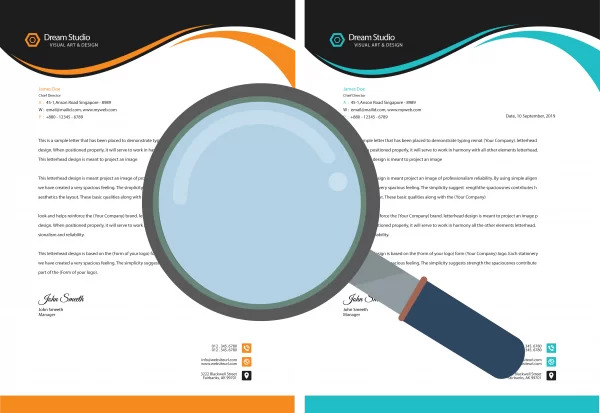
doc compare

Document Comparison

The Document Comparison agent analyzes multiple versions of a document and accurately highlights differences across text, structure, and formatting, including additions, deletions, and modifications.

Using AI, it provides meaningful summaries that explain what has changed and why it matters. The agent also supports Question & Answer (Q&A), allowing users to ask questions about specific changes, clauses, or sections to quickly understand their impact, making it ideal for contract reviews, audit trails, regulatory updates, and version control workflows.

Getting Started

The MST AI Agents platform is designed for developers and system integrators who want to embed AI document intelligence into existing applications or build new AI-driven document workflows. It enables developers to quickly move from installation to a working AI-powered document experience.

Introduction

MST AI Agents are designed with flexibility and extensibility in mind. They can be deployed in cloud, on-premise, or hybrid environments and support multiple AI providers.

The architecture separates the frontend document viewer from the AI backend, allowing teams to scale AI workloads independently while maintaining responsive user interfaces.

System Requirements

To run MST AI Agents efficiently, the following system requirements are recommended:

  • Python runtime
  • Docker (optional but recommended for deployment)
  • Access to an LLM provider (i.e. OpenAI, Watsonx, Anthropic Claude, or any locally deployed model)

Basic Example

A basic example involves uploading a document, triggering an AI agent, and displaying the result in the viewer:

  • User uploads a document through the frontend.
  • The backend processes the document using the selected AI agent.
  • Results such as summaries, redactions, or comparisons are returned.
  • The viewer displays AI output directly alongside the document.

This flow demonstrates how easily AI capabilities can be embedded into document workflows.

Configuration Options

MST AI Agents provide flexible configuration options, including:

  • Selecting different LLM providers
  • Adjusting summarization length and style
  • Customizing comparison thresholds
  • Enabling or disabling specific AI agents

These options allow teams to tailor AI behavior to their business needs.

Viewer Integration

The eViewer AI Assistant integrates directly into the document viewer interface, ensuring a seamless user experience across all platforms.

Seamless UI Integration:

  • Intuitive controls: Buttons, menus, and panels blend naturally into the existing eViewer layout.
  • Context-sensitive actions: AI options appear depending on the document type, selected content, or user role.
  • Real-time processing: Summaries, redactions, and comparisons are delivered instantly without leaving the viewer.
integration
integration

Viewer Integration

The eViewer AI Assistant integrates directly into the document viewer interface, ensuring a seamless user experience across all platforms.

Seamless UI Integration:

  • Intuitive controls: Buttons, menus, and panels blend naturally into the existing eViewer layout.
  • Context-sensitive actions: AI options appear depending on the document type, selected content, or user role.
  • Real-time processing: Summaries, redactions, and comparisons are delivered instantly without leaving the viewer.

Enterprise-Grade Security, Performance, and Management

The eViewer AI Assistant is built on a foundation of security, performance, and manageability. These non-functional pillars are critical for ensuring the platform is robust, scalable, and reliable enough for mission-critical enterprise use cases.

Endpoint Security

All AI API endpoints can be protected with token-based authentication and role-based access control. Additional measures like request validation, sanitization, and rate limiting prevent abuse and secure the system against common threats.

Data Protection

Data privacy is paramount. The platform features end-to-end encryption for data in transit, in-memory processing with automatic data clean up, stateless service, and a strict policy of no persistent storage of sensitive document content. No data is used to train the model.

Frequently Asked Questions

MST AI Agents are intelligent, AI-powered modules designed to automate document-related tasks within your existing workflows. They can extract data, summarize content, redact sensitive information, compare document versions, and more, helping organizations save time, improve accuracy, and scale operations without disrupting current systems.
MST AI Agents are built for enterprise use and are especially well-suited for industries that deal with large volumes of documents, such as legal, finance, healthcare, government, and general enterprise operations. Any team that needs to extract insights, ensure compliance, or manage documents at scale can benefit.
Yes. Both the Document Summarization and Document Comparison agents include a built-in Q&A feature. You can ask questions in plain language to quickly locate specific details, clarify sections, or understand the impact of changes, without manually searching through the document.
The Smart Redaction agent automatically understands, detects, and hides sensitive information from documents, including personally identifiable information (PII), financial data, secret data, and confidential terms. It helps organizations meet regulatory and privacy requirements by ensuring that sensitive content is consistently and securely redacted before documents are shared or published.
Yes. Summarization can be customized based on the document type, desired summary length, and specific focus areas, making it particularly valuable for contracts, research papers, and reports where different levels of detail may be required.
The recommended requirements are: a Python runtime, Docker (optional but recommended for deployment), and access to an LLM provider such as OpenAI, IBM Watsonx, Anthropic Claude, or any locally deployed model. The platform is designed to be flexible and can work with multiple AI providers.
MST AI Agents can be deployed in cloud, on-premise, or hybrid environments. The architecture separates the frontend document viewer from the AI backend, allowing teams to scale AI workloads independently while keeping the user interface responsive.
MST AI Agents only integrate with eViewer v7, which provides the interface for intuitive controls and context-sensitive actions. Summaries, redactions, and comparisons are delivered in real time without users needing to leave eViewer.
The platform uses end-to-end encryption for data in transit, processes documents in-memory with automatic data cleanup, and operates as a stateless service. There is no persistent storage of sensitive document content, ensuring your data remains private and secure.
No. MST AI Agents operate with a strict policy of not using your document data to train any AI model. Your content is processed only for the task at hand and is not stored or used for any other purpose.

Used and Trusted by Thousands of Innovative Start-ups, Governments, and Fortune 1000 businesses Worldwide to Power their Products and Services


Motorola logo
SSA logo
Worldpay logo

Get started with MST AI Agents

MST AI Agents is designed for developers and organizations who want to embed AI document intelligence into existing applications or build new AI-driven document workflows — from installation to a working setup in minutes.